Dugnad is a cherished tradition in Norway, embodying the spirit of community and cooperation. It refers to voluntary work done by a group of people for a common goal, often aimed at improving community spaces or supporting local initiatives. This article explores the rich history and cultural significance of dugnad, highlighting its impact on local communities and the various ways it fosters unity and pride among Norwegians. By understanding the roots and practices of dugnad, we can appreciate how this custom continues to shape Norwegian society today.
1. A Historical Perspective on Dugnad
The concept of dugnad dates back to the early 19th century, evolving from the need for collective work in rural communities. Originally, it was a practical response to agricultural challenges, where neighbors would come together to help each other with planting, harvesting, or building. Over time, dugnad transformed into a broader social practice, encompassing various community-driven initiatives, from sports clubs to school events.
2. Community Building Through Shared Efforts
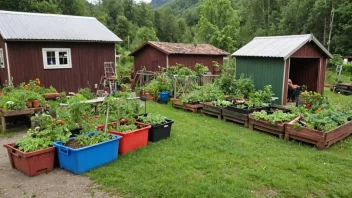
Dugnad serves as a powerful tool for community building. When people come together to work towards a common goal, they foster relationships and strengthen social ties. This cooperation creates a sense of belonging and pride in one’s community. Activities may include cleaning parks, renovating local facilities, or organizing events, all of which contribute to a shared sense of ownership and responsibility.
3. The Role of Dugnad in Norwegian Culture
Dugnad is more than just a practical solution; it is deeply embedded in Norwegian culture. It reflects the values of equality and solidarity, emphasizing that everyone can contribute, regardless of their background or status. This egalitarian ethos promotes inclusivity and encourages diverse participation, making dugnad a vital part of Norwegian identity.
4. Modern Adaptations of Dugnad
In today’s fast-paced world, dugnad has adapted to meet contemporary challenges. While traditional activities still take place, new forms of dugnad have emerged, including digital initiatives aimed at supporting local businesses or environmental projects. The essence of dugnad remains the same—people coming together to make a positive impact—but the methods have evolved, reflecting the changing needs of society.
5. How to Get Involved in Dugnad
If you’re interested in participating in dugnad, there are numerous ways to get involved. Start by connecting with local organizations, schools, or community centers that often organize dugnad events. You can also propose your own project, rallying friends and neighbors to join in. Whether it’s cleaning a beach, planting trees, or helping out at a local festival, every effort counts and contributes to the greater good.
In conclusion, dugnad is a vital tradition that encapsulates the essence of Norwegian community spirit. Its historical roots, cultural significance, and modern adaptations highlight the importance of collective effort in shaping vibrant and resilient communities. By participating in dugnad, individuals not only contribute to local initiatives but also strengthen the bonds that unite us all.